Your Past is a Lesson: Forgive Yourself and Focus on the Future
We’ve all made mistakes, encountered setbacks, or faced moments we wish we could erase. Whether it’s a choice we regret or a time when we felt powerless, these experiences can sometimes linger in our minds, weighing heav...

.png)
We’ve all made mistakes, encountered setbacks, or faced moments we wish we could erase. Whether it’s a choice we regret or a time when we felt powerless, these experiences can sometimes linger in our minds, weighing heavily on our mental and emotional well-being. The quote by, “Your past is a lesson, not a life sentence. Forgive yourself and focus on the future,” offers a powerful reminder that our past doesn’t define us. Instead, it teaches us lessons that can guide us toward a better future.
In this blog, we’ll explore the importance of self-forgiveness, how holding onto past mistakes can affect our mental health, and practical steps to shift your focus from the past to the future.
The Weight of Unforgiveness
When we hold onto guilt, shame, or regret from our past, it can create a heavy burden that impacts our present and future. Unforgiveness, especially towards ourselves, can manifest in various ways:
• Mental Health Struggles: Persistent self-blame and regret can contribute to feelings of depression, anxiety, and low self-esteem. It can create a loop of negative thoughts that are difficult to escape.
• Physical Health Issues: The stress and emotional turmoil caused by unforgiveness can lead to physical symptoms such as headaches, fatigue, and even more severe conditions like heart disease.
• Stagnation: When we allow our past to dictate our present, it can prevent us from moving forward, achieving our goals, or fully embracing new opportunities.
The Power of Self-Forgiveness
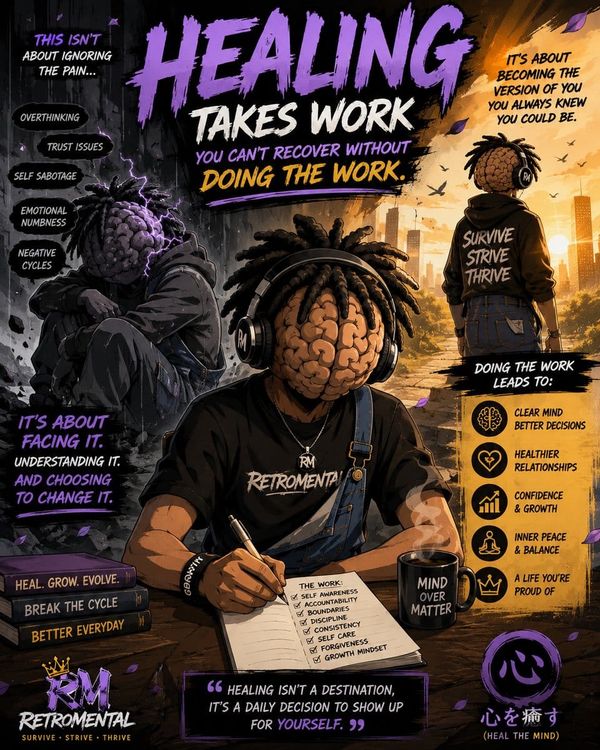
Forgiving yourself is a crucial step toward healing and personal growth. It involves acknowledging your mistakes, understanding that everyone makes them, and choosing to release the emotional hold they have on you. Here’s why self-forgiveness is essential:
• Healing and Growth: Self-forgiveness opens the door to emotional healing. By letting go of the past, you free up mental and emotional space to grow, learn, and become the person you aspire to be.
• Improved Relationships: Holding onto guilt or regret can affect how you interact with others. When you forgive yourself, you’re better equipped to form healthy relationships based on trust, understanding, and mutual respect.
• Empowerment: Self-forgiveness empowers you to take control of your life. It allows you to see your past mistakes as learning experiences rather than defining moments, helping you make better decisions moving forward.
Shifting Focus: From Past to Future
Moving past self-blame and focusing on the future isn’t always easy, but it’s a necessary step for mental well-being. Here are some strategies to help shift your mindset:
1. Acknowledge and Accept Your Mistakes:
Start by acknowledging what happened and accepting that you can’t change the past. This doesn’t mean you condone your mistakes, but it allows you to see them as part of your life journey.
2. Practice Self-Compassion:
Treat yourself with the same kindness and understanding you would offer a friend. Recognize that everyone makes mistakes and that you are not defined by them.
3. Reframe Negative Thoughts:
Whenever you catch yourself dwelling on past mistakes, consciously reframe those thoughts. Instead of saying, “I failed,” try, “I learned something important.”
4. Set Future-Focused Goals:
Look ahead and set positive, achievable goals. This will give you something to strive for and help shift your focus from the past to what lies ahead.
5. Engage in Mindfulness Practices:
Mindfulness techniques such as meditation and deep breathing can help keep you grounded in the present moment, reducing the tendency to ruminate on past events.
6. Seek Support:
Sometimes, the journey of self-forgiveness can be difficult to navigate alone. Consider seeking the support of a therapist, counselor, or trusted friend who can provide guidance and encouragement.
Conclusion: Embrace the Future
Your past, with all its challenges and mistakes, is not your life sentence—it’s your lesson. Each experience, no matter how painful, contributes to the person you are today and the person you have the potential to become. By forgiving yourself and focusing on the future, you open the door to endless possibilities, allowing yourself to heal, grow, and thrive.
Call to Action
Take a moment today to reflect on your journey and consider the lessons your past has taught you. Then, make a conscious decision to forgive yourself and focus on the positive changes you can make moving forward. Remember, the future is yours to create—let it be filled with hope, healing, and self-compassion.