The Science of Stress: How It Impacts Your Body and Mind
April marks Stress Awareness Month, a time to shine a light on something we all deal with stress. Whether it’s juggling work, school, parenting, relationships, or just everyday life, stress is a universal experience. But...
April marks Stress Awareness Month, a time to shine a light on something we all deal with stress. Whether it’s juggling work, school, parenting, relationships, or just everyday life, stress is a universal experience. But do we really understand what stress does to our body and mind? Let’s break down the science behind stress and explore ways to manage it before it takes a serious toll.
What Is Stress, Really?
Stress is your body’s natural response to a perceived threat or demand. It’s not always a bad thing stress can help us stay focused, alert, and ready to respond to danger. However, when stress becomes chronic, it starts to work against us.
At its core, stress activates your fight-or-flight response, a survival mechanism controlled by the sympathetic nervous system. This causes a surge of hormones like cortisol and adrenaline, which:
- Increase your heart rate
- Raise your blood pressure
- Heighten alertness
- Shut down non-essential functions (like digestion and immunity)
How Stress Affects the Body
When your body is constantly in stress mode, it never gets the chance to return to balance. Over time, this leads to physical health issues such as:
- High blood pressure
- Weakened immune system
- Digestive problems
- Chronic headaches or muscle tension
- Sleep disturbances
- Increased risk of heart disease and stroke
Even seemingly minor symptoms like fatigue or frequent colds can be signs that stress is quietly wreaking havoc on your body.
How Stress Affects the Mind
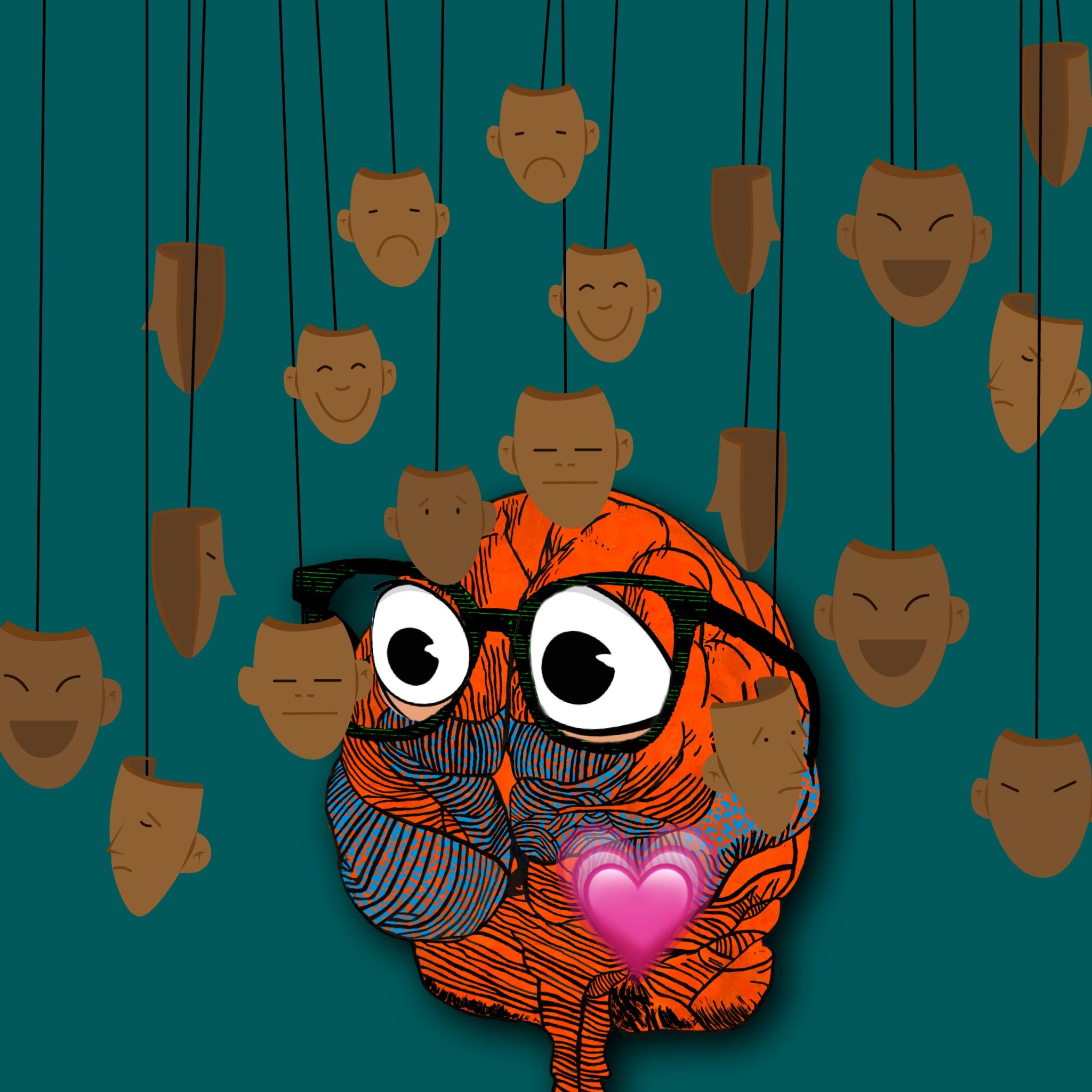
Stress doesn’t just impact your physical body it heavily affects your mental and emotional health as well. High or prolonged stress can lead to:
- Anxiety and panic attacks
- Depression or mood swings
- Irritability or anger
- Difficulty concentrating or making decisions
- Memory problems
- Burnout or feeling emotionally drained
Stress also influences how we interact with others. You might find yourself withdrawing from friends, snapping at loved ones, or struggling to maintain your patience at work or school.
Recognizing the Warning Signs
Awareness is key. Start paying attention to the physical, mental, and emotional signs your body is sending you. Ask yourself:
- Am I constantly tired no matter how much I sleep?
- Do I feel overwhelmed or anxious most days?
- Am I having more headaches, stomach issues, or trouble focusing?
If you answered yes to any of these, it might be time to assess your stress levels and consider how to create more balance in your life.
Ways to Manage Stress
Understanding the science is just the first step. Here are a few strategies backed by both research and real-life results:
- Exercise Regularly Movement releases endorphins your body’s natural mood boosters. You don’t have to hit the gym every day; walking, dancing, or stretching works too.
- Practice Mindfulness or Meditation Deep breathing and mindfulness exercises calm the nervous system and bring your body out of fight-or-flight mode.
- Get Quality Sleep Lack of sleep amplifies stress. Prioritize restful sleep by setting a bedtime routine and limiting screens before bed.
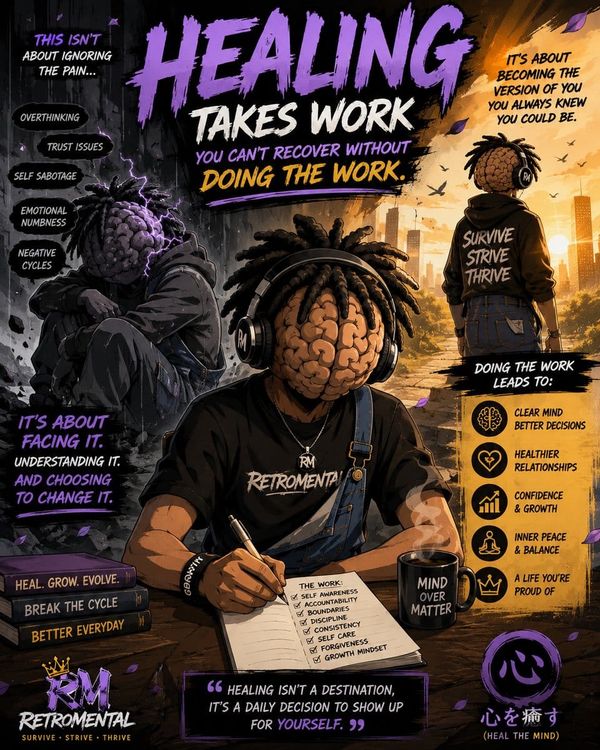
- Talk It Out Whether with a friend, therapist, or journal, expressing how you feel can release emotional pressure and help you gain clarity.
- Set Boundaries Say no when you need to. Your peace is more important than pleasing others.
- Nourish Your Body What you eat can impact your mood and energy levels. Choose foods that fuel you and limit caffeine or sugar that can spike anxiety.
Conclusion: Stress is Real, You’re Not Alone
Stress is a part of life, but it doesn’t have to control your life. By learning how stress works and how to manage it effectively, you take back power over your health, happiness, and well-being.
This Stress Awareness Month, take time to slow down, check in with yourself, and give your body and mind the care they deserve. You’re worth it.