Listen to Understand, Not Just to Respond
By RetroMental - Survive. Strive. Thrive. We live in a world where everyone wants to be heard, but few actually take the time to listen. Most conversations today feel like races waiting for your turn to speak, ready to d...
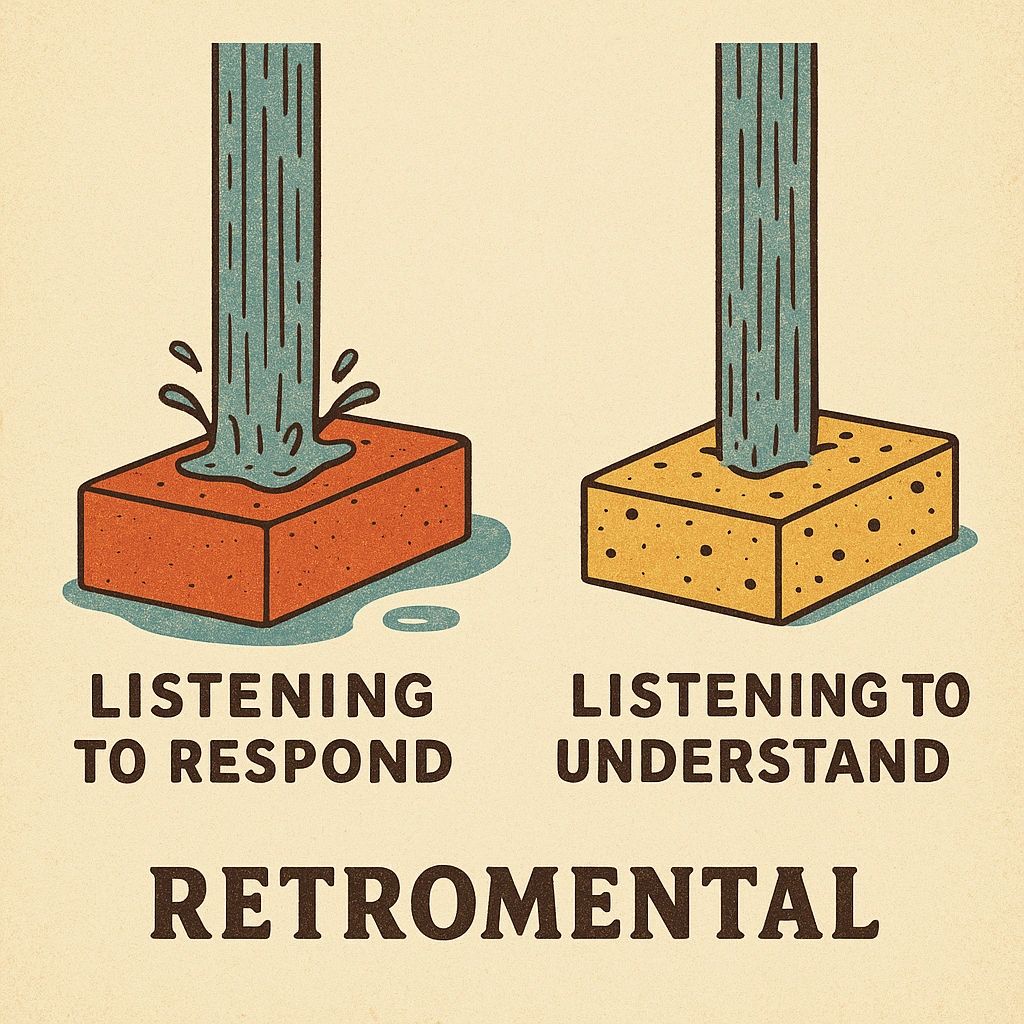
By RetroMental - Survive. Strive. Thrive. We live in a world where everyone wants to be heard, but few actually take the time to listen. Most conversations today feel like races waiting for your turn to speak, ready to defend your side, already planning your next point. That’s what it means to listen to respond.
It feels natural because we all want to be understood, too. But when you’re focused on responding, you’re not really listening, you’re reacting. And reaction is where most misunderstandings start.
👂🏾 Listening to Respond🗣️Listening to respond is about winning the moment. It’s when you hear just enough of someone’s words to form your comeback. You’re listening from ego, not empathy. You might say things like: “I already know where you’re going with this.” “That’s not what I meant, though.” “But you don’t understand my side.”When the goal is to protect your point, you miss their pain. You miss the chance to connect.
👂🏾 Listen to Understand 🧠 Listening to understand is slower. It’s quieter. It’s not about who’s right, it’s about what’s real. It means: Asking questions instead of assuming.
Letting silence do its job.
Hearing the emotion behind the words. Sometimes the person doesn’t need advice; they just need space. They need someone to understand what they’re feeling without turning it into a debate.
When you listen to understand, you stop reacting and start relating. That’s where healing happens.
🔑 Practice the Shift 1. Pause before you reply. Let what they said sink in. 2. Repeat what you heard. “So you’re saying you felt left out when that happened?” 3. Ask to understand. “Can you tell me what that felt like?” 4. Respond with care. Even if you disagree, stay present.
❤️ Final ThoughtTrue communication isn’t about talking louder; it’s about listening deeper. When we stop listening just to respond, we create room for growth, trust, and real connection. Because sometimes, the best response… is silence long enough to really hear someone.