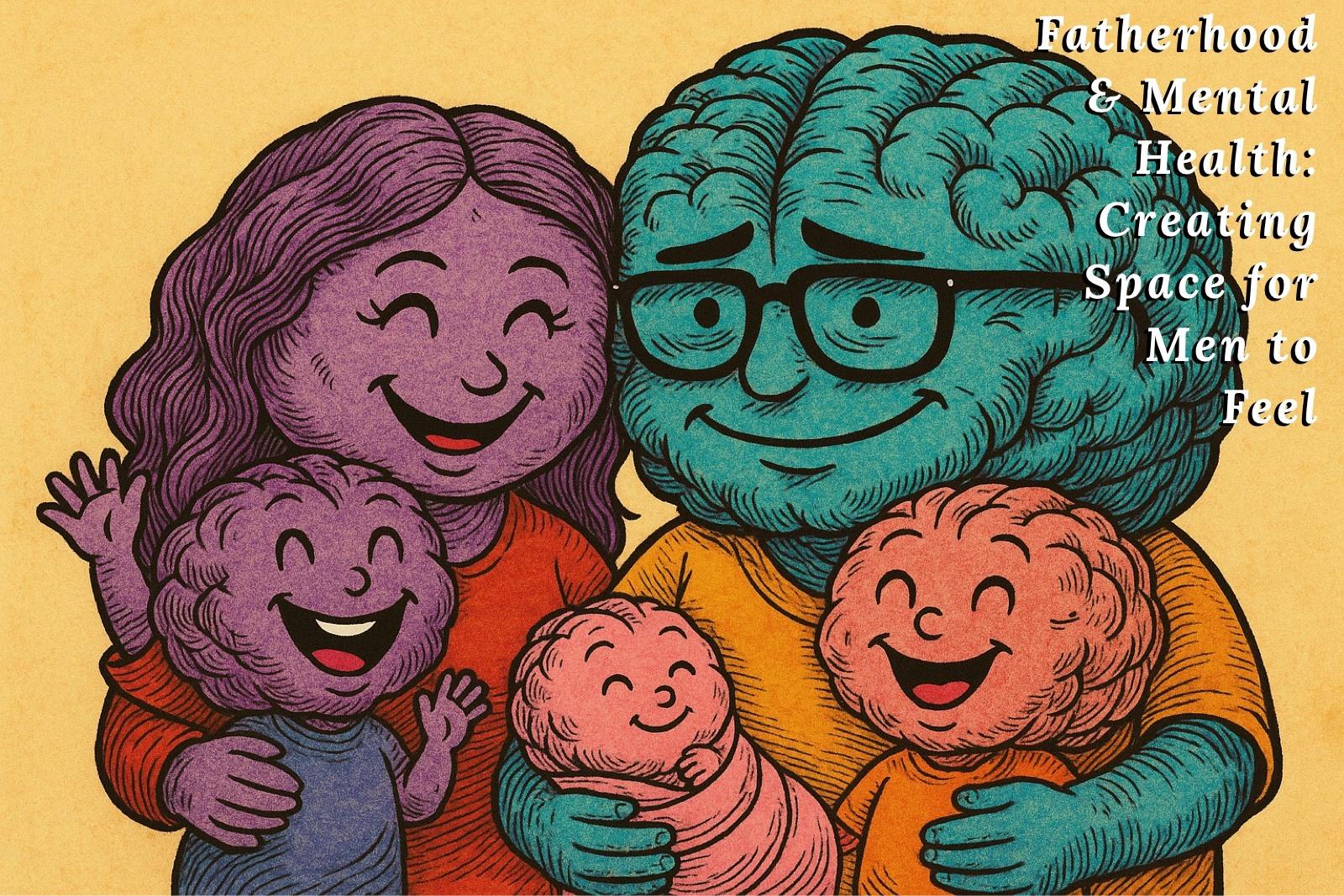
Fatherhood & Mental Health: Creating Space for Men to Feel
When we think of strength, fathers often come to mind providers, protectors, and role models. But beneath all that responsibility, many men are silently battling mental and emotional struggles that often go unseen, unspo...
When we think of strength, fathers often come to mind providers, protectors, and role models. But beneath all that responsibility, many men are silently battling mental and emotional struggles that often go unseen, unspoken, and unaddressed.
As we honor Father’s Day this month, it’s the perfect time to recognize a different side of strength: the courage it takes to be vulnerable, ask for help, and prioritize mental well-being.
The Silent Weight of Fatherhood
For many men, becoming a father brings joy, pride, and purpose. But it can also bring anxiety, pressure, and emotional exhaustion especially when the expectation is to “stay strong” no matter what.
Fathers are often expected to:
- Provide financially, even when they’re overwhelmed
- Stay emotionally composed, even when life gets heavy
- Sacrifice sleep, time, and mental space, all while suppressing how they really feel
These expectations can lead to isolation, stress, and even depression—especially when there’s no space or permission to express it.
Why Men Struggle to Speak Up
Many men grow up hearing messages like:
- “Man up.”
- “Don’t cry.”
- “Be the rock.”
So when they feel overwhelmed, it can feel like failure instead of just being human. This cultural conditioning makes it hard to seek help or even acknowledge what’s going on mentally.
But here’s the truth: real strength is being honest about how you feel. It’s saying “I’m not okay” and being willing to work through it.
Normalizing Mental Health for Fathers
We must shift the narrative from “fathers are fine” to “fathers need support too.”
Here’s how we start:
- Create safe spaces for open conversations — whether that’s a friend, therapist, or partner
- Encourage emotional check-ins — especially during life transitions like a new baby, divorce, or job loss
- Model emotional honesty for kids — showing vulnerability helps children learn that feelings are healthy, not something to hide
- Celebrate self-care — dads deserve time to reset, relax, and recharge too
You’re Not Alone
If you’re a dad reading this—you matter.
Your mental health matters.
And you’re not weak for needing rest, help, or support.
Whether you’re navigating the demands of fatherhood, dealing with past trauma, or just feeling burnt out—your feelings are valid.
To the Father Figures and Supporters
This month, check on the fathers and male caregivers in your life. Ask them how they’re really doing. Let them know it’s okay to feel, okay to rest, and okay to talk about it.
And if you’re a partner, friend, or child of a father figure—remind them that their mental wellness deserves attention too.
Final Thought
This Father’s Day, let’s expand the conversation. Let’s celebrate not just the strength of fathers, but their humanity. Let’s normalize therapy, rest, vulnerability, and emotional growth for men.
Because when fathers heal, families grow stronger.