Building Resilience: Overcoming Challenges with Mental Strength
Life throws us curveballs, but resilience is our secret weapon. It’s not just about bouncing back from setbacks; it’s about thriving despite them. This blog dives deep into resilience: what it means, how it works biologi...
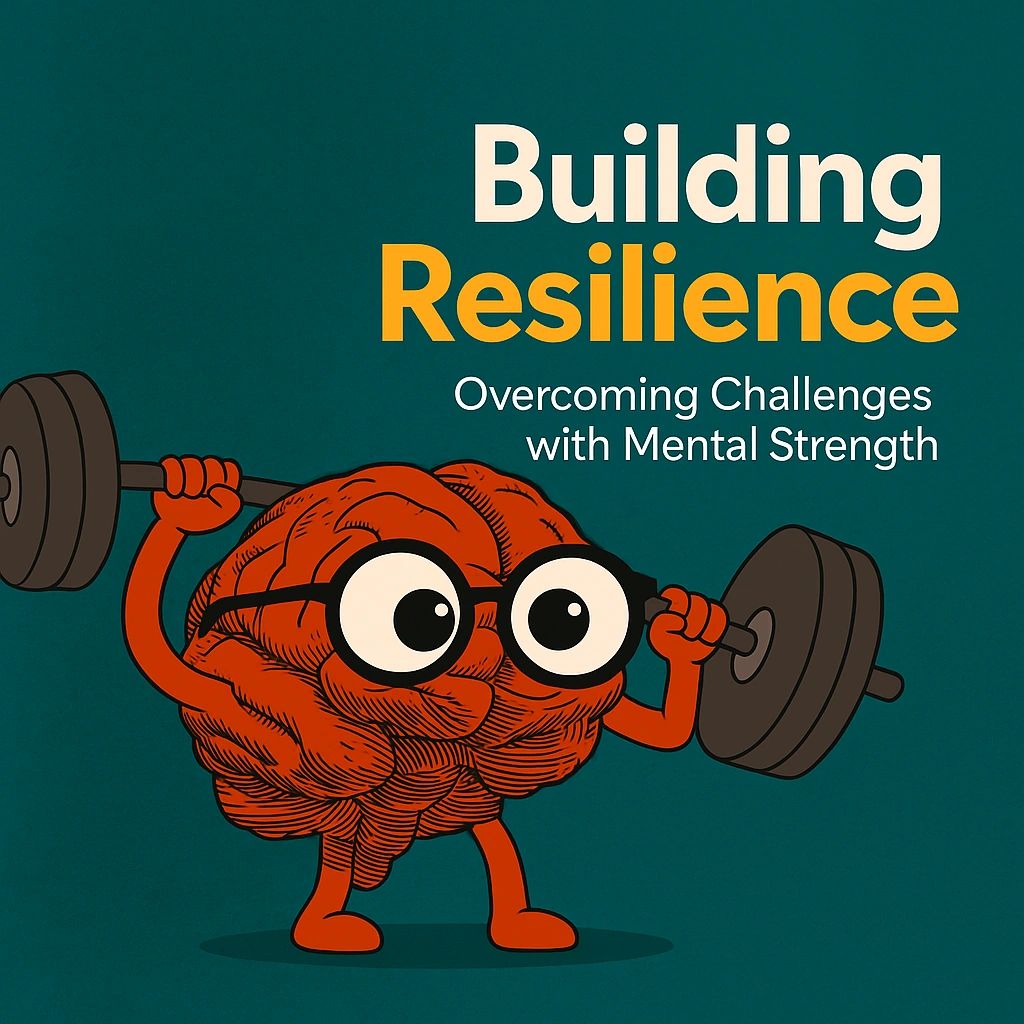
Life throws us curveballs, but resilience is our secret weapon. It’s not just about bouncing back from setbacks; it’s about thriving despite them. This blog dives deep into resilience: what it means, how it works biologically and psychologically, practical ways to build it, coping strategies for tough times, real-life stories of triumph, and a call to prioritize mental health.
Understanding Resilience
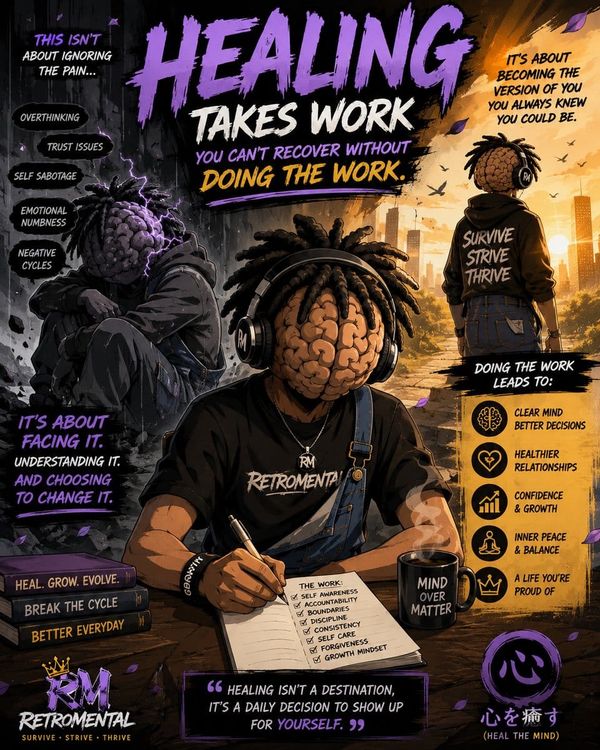
Resilience isn’t just toughing it out—it’s about adapting and thriving in the face of adversity. It’s the mental muscle that helps us stay steady when life gets rocky.
The Science Behind Resilience
Resilience has roots in our biology and psychology. Biologically, it’s our brain’s ability to rewire and adapt to stress. Psychologically, it’s about staying flexible, regulating emotions, and seeing challenges as opportunities to grow. We can cultivate resilience through practices that strengthen these adaptive mechanisms.
Practical Strategies for Building Resilience
- Mindfulness and Self-Awareness: Being present and tuned into our emotions helps us navigate challenges with clarity and composure.
- Positive Thinking and Optimism: A sunny outlook can help us see setbacks as temporary hurdles rather than insurmountable barriers.
- Problem-Solving Skills: Learning to tackle problems head-on builds confidence and resilience in the face of adversity.
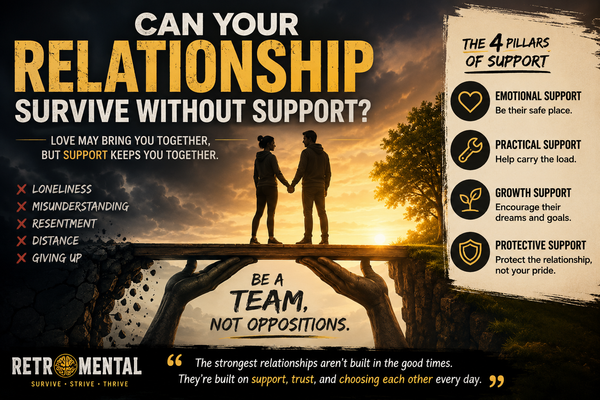
- Building a Support Network: Surrounding ourselves with supportive relationships provides both emotional support and practical help during tough times.
Coping with Stress and Adversity
- Mind Body Connection: Practices like meditation, yoga, and deep breathing calm the mind and body, reducing the impact of stress.
- Healthy Lifestyle: Exercise, nutrition, and quality sleep are essential for resilience, supporting both physical health and emotional well-being.
Real-Life Applications
Through inspiring stories and research insights, we see resilience in action. These examples show how individuals have overcome challenges through determination, adaptive strategies, and the support of others.
Conclusion
Building resilience isn’t just about surviving it’s about thriving. By understanding resilience, practicing adaptive strategies, nurturing relationships, and prioritizing mental well-being, we empower ourselves to navigate life’s twists and turns with strength and grace.
Call to Action
Share your resilience journey with us! Join the conversation on mental health awareness and explore more resources on building resilience at RetroMental.org.