Balancing life as a Young athlete: overcoming stress and anxiety
Being a young athlete comes with its fair share of challenges, but when you add school, relationships, and the expectations placed on you, the pressure can become overwhelming. Stress and anxiety can creep in, clouding y...
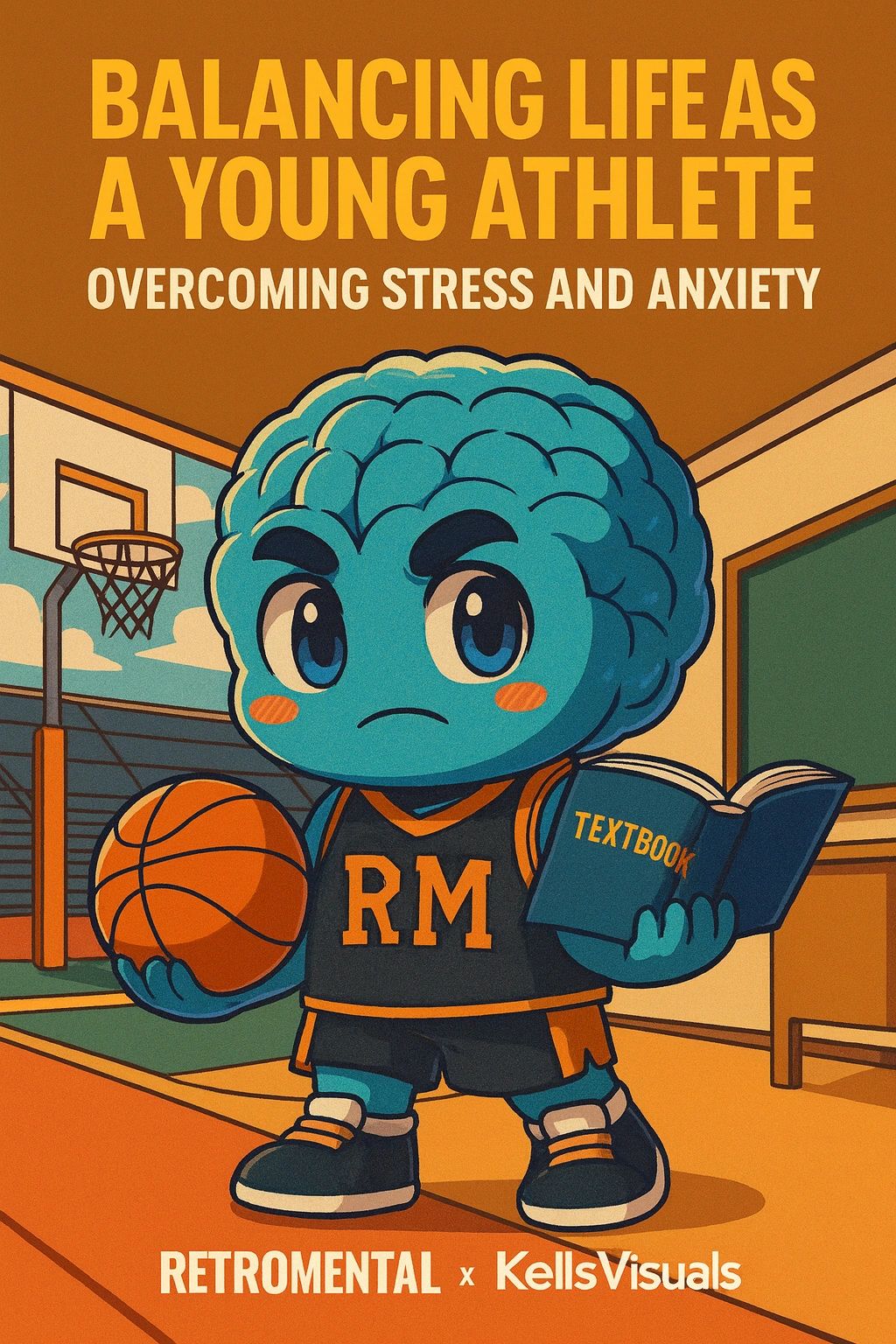
Being a young athlete comes with its fair share of challenges, but when you add school, relationships, and the expectations placed on you, the pressure can become overwhelming. Stress and anxiety can creep in, clouding your mind and making it harder to focus not just in your sport, but in your studies and daily life. The key to handling this pressure is learning to manage stress, prioritize mental health, and stay focused on your goals, both in sports and academics.
This blog will provide practical strategies to help young athletes overcome stress and anxiety, maintain focus, and achieve balance in all areas of life.
The Impact of Stress and Anxiety on Athletes
It’s normal to feel some stress before a big game or exam, but when stress and anxiety begin to overwhelm you, it can take a toll on your performance and mental health. Here’s how stress and anxiety can affect athletes:
1. Mental Fatigue: Constant worry and stress can drain your energy, leaving you feeling mentally exhausted.
2. Decreased Performance: When anxiety takes over, it can disrupt your focus and make you second-guess yourself during games or practices.
3. Physical Health: Chronic stress can lead to physical symptoms like headaches, sleep disturbances, and muscle tension, which can affect your training and recovery.
4. Lowered Confidence: Constant self doubt and anxiety can erode your confidence, making it difficult to perform at your best in both school and sports.
While these effects are common, they can be managed with the right tools.
1. Mindset: The Foundation of Overcoming Stress
Your mindset plays a huge role in how you deal with stress and anxiety. As an athlete, you already know the importance of mental strength, but it’s just as essential when it comes to managing the demands of school and life.
• Adopt a Growth Mindset: Rather than focusing on the pressure to perform perfectly, shift your mindset to one of growth. Understand that mistakes are part of the process, whether in sports or academics. Learn from them, adapt, and move forward.
• Set Realistic Expectations: It’s important to acknowledge that you can’t always be at the top of your game. Set realistic goals for both sports and academics, and give yourself room to grow without putting undue pressure on yourself.
2. Time Management: Finding Balance
One of the main causes of stress for young athletes is the difficulty of balancing practice, games, schoolwork, and personal life. Proper time management is key to staying organized and reducing stress.
• Create a Schedule: Use a planner, calendar, or even a digital app to organize your day. Schedule time for both academics and sports, making sure to block out time for rest and relaxation too.
• Prioritize Tasks: Rank your tasks by importance. Handle schoolwork and sports practice according to deadlines, and always allow yourself to take breaks in between.
• Break Tasks Into Smaller Pieces: Whether you’re preparing for a big game or tackling a challenging assignment, break everything down into manageable chunks. This reduces the feeling of being overwhelmed and helps you stay on track.
3. Managing Anxiety: Coping Mechanisms for Focus
While stress is common, it’s important to understand how to manage anxiety when it starts interfering with your performance. Here are some strategies that can help keep anxiety in check:
• Breathing Exercises: Simple breathing techniques can help calm your nervous system and refocus your mind. Try the 4, 7, 8 method: Inhale for 4 seconds, hold for 7 seconds, and exhale for 8 seconds. This helps slow down your heart rate and clear your mind.
• Visualization: Athletes often use visualization to perform at their best. Take a few minutes before a game or exam to close your eyes and imagine yourself performing successfully. Picture yourself staying calm, focused, and confident. This mental rehearsal can be a powerful tool to reduce anxiety.
• Positive Self-Talk: Replace negative thoughts with empowering statements. Instead of thinking, “I’m going to fail this test,” replace it with, “I’ve prepared for this, and I’m ready to do my best.” Positive affirmations can help boost your confidence and calm anxiety.
• Progressive Muscle Relaxation (PMR): This technique involves tensing and then relaxing various muscle groups in your body, helping to release physical tension and reduce anxiety.
4. Sleep and Nutrition: Fueling Your Mind and Body
Physical health plays an essential role in managing stress and staying focused. As an athlete, you understand the importance of proper training, but sleep and nutrition are just as crucial for your mental well-being.
• Get Enough Sleep: Sleep is vital for recovery, mental clarity, and overall health. Aim for 7-9 hours of sleep each night to help improve your performance both in sports and academics.
• Eat Balanced Meals: Nutrition plays a direct role in your mood and energy levels. Ensure you’re eating a balanced diet, including plenty of whole grains, lean proteins, fruits, and vegetables. Hydrate well to keep your body functioning at its best.
• Avoid Overstimulation: Limit your screen time before bed, avoid caffeine in the evening, and create a relaxing pre-sleep routine to ensure better quality rest.
5. Seek Support: You’re Not Alone
While it’s important to have self-reliance, don’t hesitate to seek help when stress and anxiety become overwhelming. Talking to someone you trust, whether it’s a coach, counselor, or mentor, can provide clarity and support.
• Talk to a Professional: If anxiety or stress begins to take a toll on your mental health, consider talking to a therapist who specializes in working with athletes or young people. They can offer techniques to manage stress and anxiety more effectively.
• Open Communication: Keep an open line of communication with your family, friends, and coaches. Having a strong support network helps you navigate life’s challenges, both on and off the field.
Conclusion: Staying Strong, Inside and Out
Being a young athlete means juggling multiple roles student, athlete, and individual and it’s okay to feel overwhelmed at times. However, by practicing stress management techniques, prioritizing self-care, and seeking support, you can stay focused and resilient both in sports and in life.
Remember, it’s about finding balance. Stay present, work on your mental health, and take things one step at a time. Whether it’s excelling in sports or managing school assignments, you have the tools to succeed.
Take Action
If you’re struggling with stress or anxiety, don’t wait until it feels unbearable. Start by practicing some of the strategies shared here and consider reaching out to a mentor or professional for guidance. You’ve got the strength within you to succeed not just in sports, but in everything you do!