Understanding Grown Boy Syndrome: Causes and Impact
In today’s world, the term “Grown Boy Syndrome” is commonly used when discussing emotional maturity, personal responsibility, and relationship dynamics. While the phrase may sound lighthearted, it refers to a serious iss...

In today’s world, the term “Grown Boy Syndrome” is commonly used when discussing emotional maturity, personal responsibility, and relationship dynamics. While the phrase may sound lighthearted, it refers to a serious issue where adult men exhibit behaviors more commonly associated with adolescence. This immaturity can negatively affect relationships, personal development, and emotional well-being. In this blog, we’ll explore the causes of “Grown Boy Syndrome,” its key signs, and how to overcome it for healthier, more fulfilling connections.
What Is Grown Boy Syndrome?
“Grown Boy Syndrome” describes a condition where an adult man, despite his age and life stage, continues to exhibit behaviors, attitudes, and emotional responses that are more commonly seen in younger boys or teenagers. These individuals tend to shy away from personal responsibility, emotional intimacy, and long-term commitment.
The syndrome often reflects a deeper emotional immaturity or unresolved childhood trauma, which prevents the individual from engaging fully in adult responsibilities or relationships.
What Causes Grown Boy Syndrome?
While the behaviors of Grown Boy Syndrome are easy to spot, understanding the root causes is essential for healing and growth. The syndrome doesn't appear out of nowhere—it's often shaped by deep-seated emotional and psychological factors. Here are the key causes:
1. Lack of Emotional Development in Childhood:
Children, particularly boys, are often discouraged from expressing vulnerability, sadness, or emotional needs. In some families, societal norms teach boys that being "tough" is more important than emotional intelligence. As a result, they grow into men who have never learned how to navigate complex emotions like fear, sadness, or frustration.
This lack of emotional development can hinder their ability to form healthy attachments, communicate effectively, or cope with life’s challenges in adulthood. Instead of growing into emotionally mature adults, they remain stuck in their adolescent emotional responses.
2. Over-Indulgent Parenting:
Another potential cause is over-indulgent or overly protective parenting. Children who are constantly pampered or sheltered from the consequences of their actions never develop the skills to take responsibility for their lives. They grow up believing that someone else will always "clean up" after them, which can lead to entitlement and avoidance of accountability.
When they become adults, these men may expect their partners, family members, or even friends to manage their emotional, financial, or personal responsibilities for them.
3. Trauma and Unresolved Emotional Pain:
Grown Boy Syndrome can also stem from unresolved trauma or emotional pain experienced in childhood. If a boy experiences trauma, abuse, neglect, or unstable family environments, he may struggle to process those emotions. In an effort to protect himself from further pain, he might suppress his feelings or resort to defensive behaviors like avoidance, deflection, or emotional detachment.
When these men reach adulthood without ever addressing or processing their trauma, they may carry unhealthy coping mechanisms into their relationships, leading to emotional immaturity.
4. Fear of Failure and Rejection:
For some men, Grown Boy Syndrome develops out of a deep-seated fear of failure and rejection. They may have grown up in environments where they felt constant pressure to succeed or where mistakes were harshly criticized. As a result, they learn to avoid situations that require vulnerability, responsibility, or risk-taking.
In relationships, this fear manifests as an unwillingness to commit, avoidance of conflict, or a refusal to take ownership of mistakes. Instead of confronting issues head-on, they may retreat into a state of emotional immaturity, where they can escape the perceived threat of rejection or failure.
5. Peer Influence and Cultural Norms:
Peer pressure and societal expectations also play a significant role. In some social circles, men are celebrated for being carefree, non-committal, or emotionally detached. Cultural narratives around masculinity may reward traits like independence, emotional aloofness, or a lack of accountability, reinforcing unhealthy behavior patterns.
Without positive role models or an environment that values emotional maturity and responsibility, these men may continue to act out adolescent behaviors well into adulthood.
Key Signs of Grown Boy Syndrome:
Recognizing the signs of Grown Boy Syndrome is crucial to addressing the problem. Here are some of the most common behaviors that may indicate emotional immaturity:
- Avoidance of Responsibility:These individuals are notorious for avoiding personal or professional responsibilities. They often deflect blame, shirk duties, and fail to take accountability for their actions.
- Emotional Immaturity:Grown boys struggle to express their emotions in a healthy way. This emotional immaturity can manifest as explosive anger, emotional withdrawal, or a lack of empathy.
- Fear of Commitment:A significant trait of Grown Boy Syndrome is a strong aversion to commitment, whether in relationships, work, or personal growth. They may fear settling down or shy away from long-term goals.
- Inconsistent Behavior:Hot and cold behavior is common. One moment they may be emotionally engaged and attentive, only to pull away or act indifferent the next.
- Self-Centeredness:These individuals often prioritize their own desires and needs, with little regard for how their actions affect others. Their self-centeredness can lead to neglecting their partner’s emotional needs or failing to maintain healthy relationships.
The Impact of Grown Boy Syndrome on Relationships
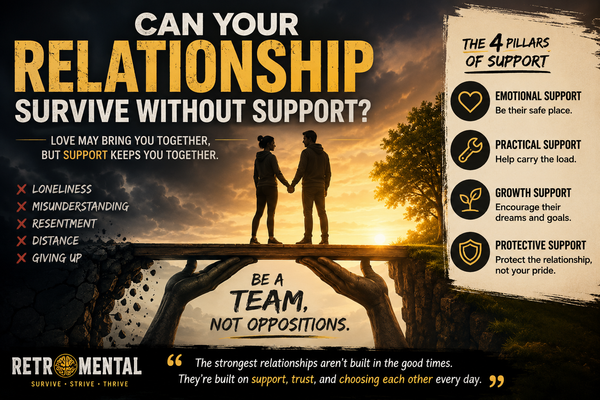
Relationships with individuals suffering from Grown Boy Syndrome are often filled with frustration, confusion, and emotional imbalance. Partners may feel unsupported or left to carry the emotional and practical burdens of the relationship.
Over time, the partner may develop feelings of resentment, insecurity, and emotional exhaustion, leading to the breakdown of the relationship. In some cases, the lack of emotional maturity may also lead to codependency, where one partner continues to enable the immature behavior of the other.
How to Overcome Grown Boy Syndrome:
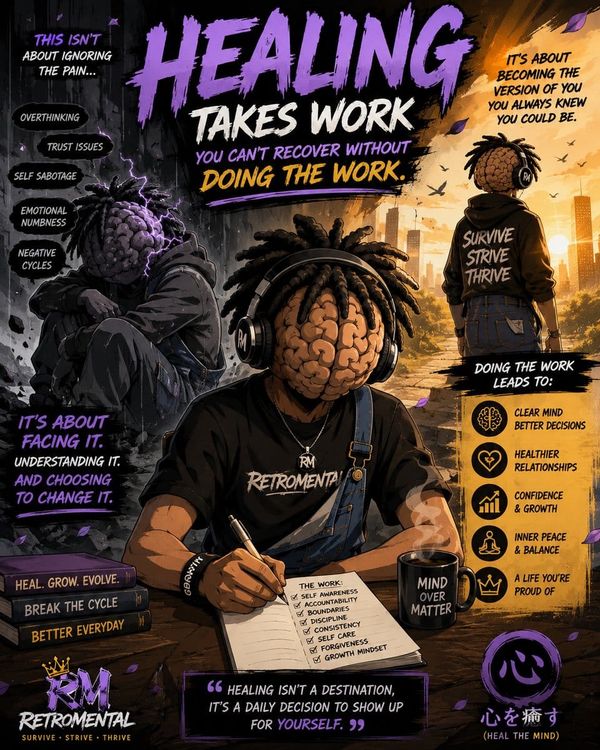
If you or someone you know exhibits Grown Boy Syndrome, it’s essential to recognize that change is possible. It begins with self-awareness and the willingness to develop emotional maturity. Here are ways to work on overcoming it:
- Therapy and Counseling:Seeking therapy is an effective way to address deep-rooted emotional issues, unprocessed trauma, and emotional immaturity. Therapy can offer tools to help individuals express their feelings, take responsibility, and navigate emotional complexities in relationships.
- Taking Responsibility:One of the key ways to overcome Grown Boy Syndrome is by learning to take responsibility for one's actions and decisions. This means owning up to mistakes, being accountable, and making efforts to correct behavior.
- Emotional Growth and Vulnerability:Emotional growth requires embracing vulnerability. Learning to express feelings, discuss fears, and openly communicate is crucial for developing emotional depth and maturity.
- Building Empathy and Self-Awareness:Developing empathy and understanding others' emotions is vital. Working on self-awareness can help grown boys realize how their actions affect those around them, fostering deeper, more meaningful connections.
Final Thoughts
Grown Boy Syndrome, while rooted in various emotional, psychological, and societal factors, is not a permanent state. With self-awareness, responsibility, and emotional development, it’s possible for individuals to grow beyond this immaturity and create healthier, more fulfilling relationships.
Remember, overcoming Grown Boy Syndrome isn’t about becoming perfect; it’s about making an effort to evolve emotionally and be accountable for one’s actions.