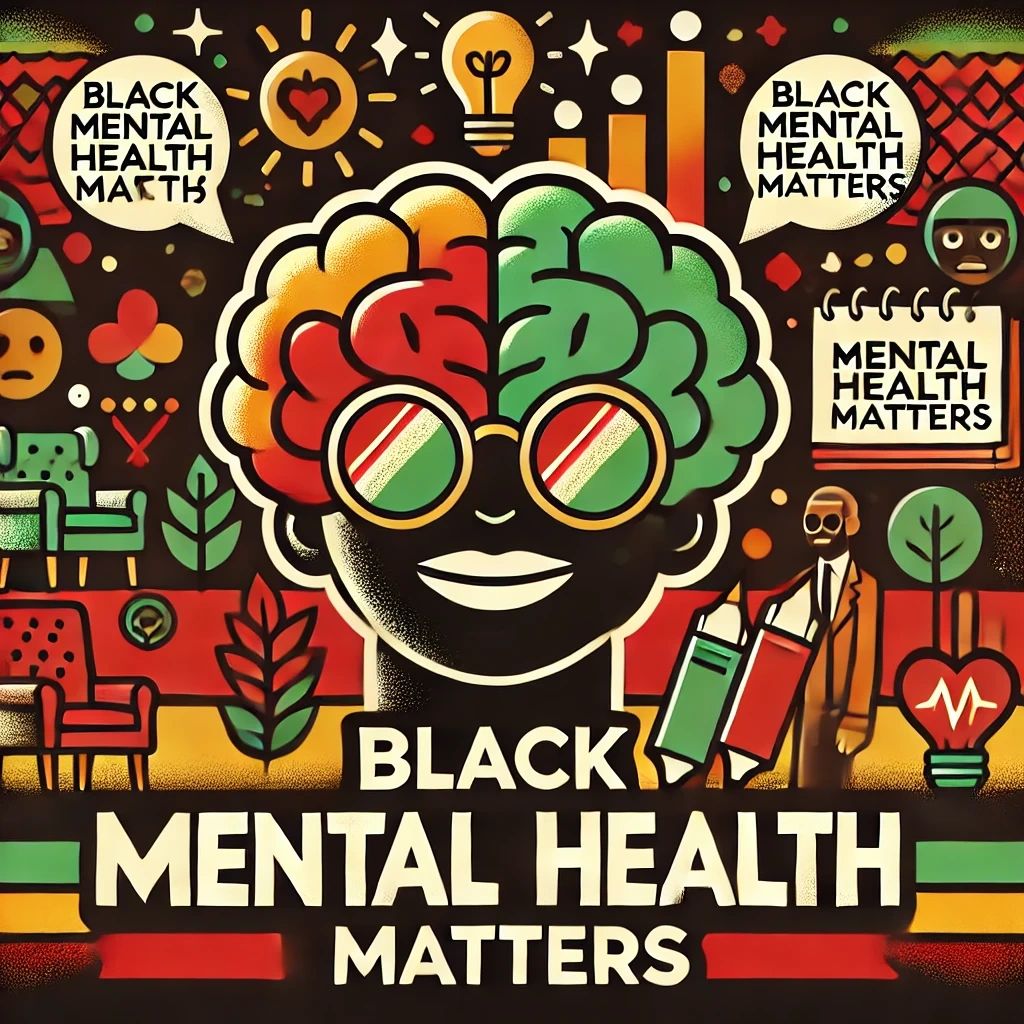
Black Mental Health Matters: The Power of Representation
Why Representation in Mental Health Matters
Why Representation in Mental Health Matters
As we enter Black History Month, it's essential to honor the past and recognize the ongoing work being done to uplift and support the Black community. One of the most critical areas where representation is making an impact is mental health. For too long, mental health conversations within the Black community have been silenced, stigmatized, or dismissed. But today, that narrative is changing thanks to Black leaders, advocates, and professionals.
Representation in mental health isn’t just about visibility—it’s about access, understanding, and breaking barriers that have historically made it difficult for Black individuals to seek the care they need. Let’s explore why representation matters and highlight some of the pioneers working to reshape mental health care for Black communities.
The History of Mental Health Stigma in the Black Community
Mental health has often been a taboo subject in many Black households. This stigma can be traced back to various factors, including:
- Generational Trauma: The historical oppression of Black people, from slavery to systemic racism, has contributed to deep-rooted generational trauma that still affects mental well-being today.
- Faith and Spirituality: Religion and faith have always been strong pillars in the Black community. While spirituality can be a great source of healing, it has also been used to dismiss mental health struggles by encouraging people to "just pray about it" instead of seeking therapy.
- Lack of Representation in Mental Health Fields: The scarcity of Black therapists, counselors, and psychologists has made it difficult for Black individuals to find professionals who truly understand their experiences.
- Mistrust in Healthcare: Due to historical medical injustices, such as the Tuskegee Syphilis Experiment, many Black individuals have developed a deep mistrust of the healthcare system—including mental health professionals.
Why Representation in Mental Health Is Crucial
Having Black mental health professionals, advocates, and educators helps dismantle the stigma surrounding mental health in Black communities. Here’s why representation matters:
1. Culturally Competent Care
Mental health is deeply personal, and culture plays a significant role in how people perceive and cope with mental health issues. Black therapists and professionals bring a level of cultural competency that helps clients feel understood, validated, and safe when seeking help.
2. Breaking the Stigma
When Black individuals see people who look like them openly discussing mental health, it normalizes these conversations. Representation empowers people to recognize that seeking therapy or addressing mental health struggles is not a sign of weakness, but a step toward healing.
3. Increased Access to Resources
Many Black mental health advocates work to create and share resources tailored to the unique struggles of Black individuals. These include free or low-cost therapy directories, online support groups, and educational content that breaks down complex mental health topics.
4. Encouraging Future Black Mental Health Professionals
The more we highlight and support Black mental health professionals, the more young Black students may be inspired to pursue careers in psychology, counseling, and psychiatry, ultimately increasing representation in the field.
Black Leaders and Advocates Changing the Narrative
Here are some Black mental health professionals and advocates who are making a difference:
1. Dr. Joy Harden Bradford (Therapy for Black Girls)
Dr. Joy is a licensed psychologist and founder of Therapy for Black Girls, a platform dedicated to encouraging Black women to seek mental health support. Her work has created safe spaces for Black women to find therapists, access mental health resources, and engage in open discussions about their well-being.
2. Taraji P. Henson (Boris Lawrence Henson Foundation)
Award-winning actress Taraji P. Henson launched the Boris Lawrence Henson Foundation in honor of her late father, who struggled with mental health challenges. The foundation focuses on providing mental health resources to the Black community and increasing awareness about the importance of therapy.
3. Dr. Thema Bryant (APA President)
Dr. Thema Bryant is a licensed psychologist, trauma expert, and the president of the American Psychological Association (APA). She has been a major advocate for mental health awareness in the Black community, using her platform to address issues such as racial trauma and self-care.
4. Eboni K. Williams (Mental Health Advocate & Journalist)
Eboni K. Williams has been vocal about the importance of therapy and emotional intelligence in Black communities. She uses her media platform to encourage conversations around mental health and personal development.
How to Support Representation in Mental Health
If we want to continue breaking the stigma and increasing representation in mental health, here’s how we can actively support the movement:
✅ Seek Out Black Therapists & Mental Health ProfessionalsIf you’re looking for therapy, consider finding a Black therapist through platforms like Therapy for Black Girls, Therapy for Black Men, or Open Path Collective.
✅ Support Black-Led Mental Health OrganizationsDonate to or amplify organizations that focus on mental health in the Black community, such as the Boris Lawrence Henson Foundation or the Black Emotional and Mental Health Collective (BEAM).
✅ Have Open Conversations About Mental HealthEncourage conversations about mental health with your family, friends, and community. The more we normalize these discussions, the more we break the stigma.
✅ Educate Yourself and Share ResourcesContinue learning and sharing mental health resources that specifically address Black mental health, whether through books, podcasts, or social media.
Conclusion: Honoring Black History by Prioritizing Mental Health
As we celebrate Black History Month, let’s remember that mental health is just as important as physical health. Representation matters because it ensures that everyone, regardless of background, has access to the mental health support they need.
By uplifting Black mental health professionals, advocating for culturally competent care, and encouraging open conversations, we can continue to break down barriers and build a healthier, more empowered Black community.
Take Action Today!
👉 Share this blog with someone who needs to hear it. 👉 Follow and support Black mental health advocates. 👉 Prioritize your own mental health—because you deserve it.
Your mental health matters. Your voice matters. Your healing matters. 💙