Balancing Act: Navigating Work, Study, and Mental Health
Welcome back to RetroMental! In this blog, we'll embark on a journey to explore the importance balance between work, study, and mental health. Whether you're juggling a full-time job and evening classes, or managing mult...


Welcome back to RetroMental! In this blog, we'll embark on a journey to explore the importance balance between work, study, and mental health. Whether you're juggling a full-time job and evening classes, or managing multiple commitments alongside your studies, this space is tailored to help you navigate the challenges and prioritize your well-being.
Understanding the Demands
We'll delve into the various demands of work and study life. From deadlines and project deliverables to academic assignments and exams, understanding the importance of these commitments is essential to finding balance.
Recognizing Signs of Imbalance
Recognizing signs of imbalance is crucial for maintaining mental your mental health. We'll explore common indicators such as increased stress levels, feelings of overwhelm, and burnout, and discuss proactive strategies for addressing these warning signs. Here are some proactive solutions for recognizing signs of imbalance:
- Self-Reflection: Take time to regularly check in with yourself and assess how you're feeling emotionally, mentally, and physically. Notice any changes in your mood, energy levels, or behavior that may indicate imbalance.
- Monitor Stress Levels: Pay attention to your stress levels and how they fluctuate throughout the day. Notice any triggers that may be contributing to increased stress and take steps to address them.
- Practice Mindfulness: Incorporate mindfulness practices into your daily routine, such as meditation, deep breathing exercises, or mindful movement. These practices can help you stay present and reduce feelings of stress and anxiety.
- Seek Feedback: Reach out to trusted friends, family members, or colleagues and ask for feedback on how you've been coping with your workload and responsibilities. They may offer insights or observations that you hadn't considered.
Time Management and Organization
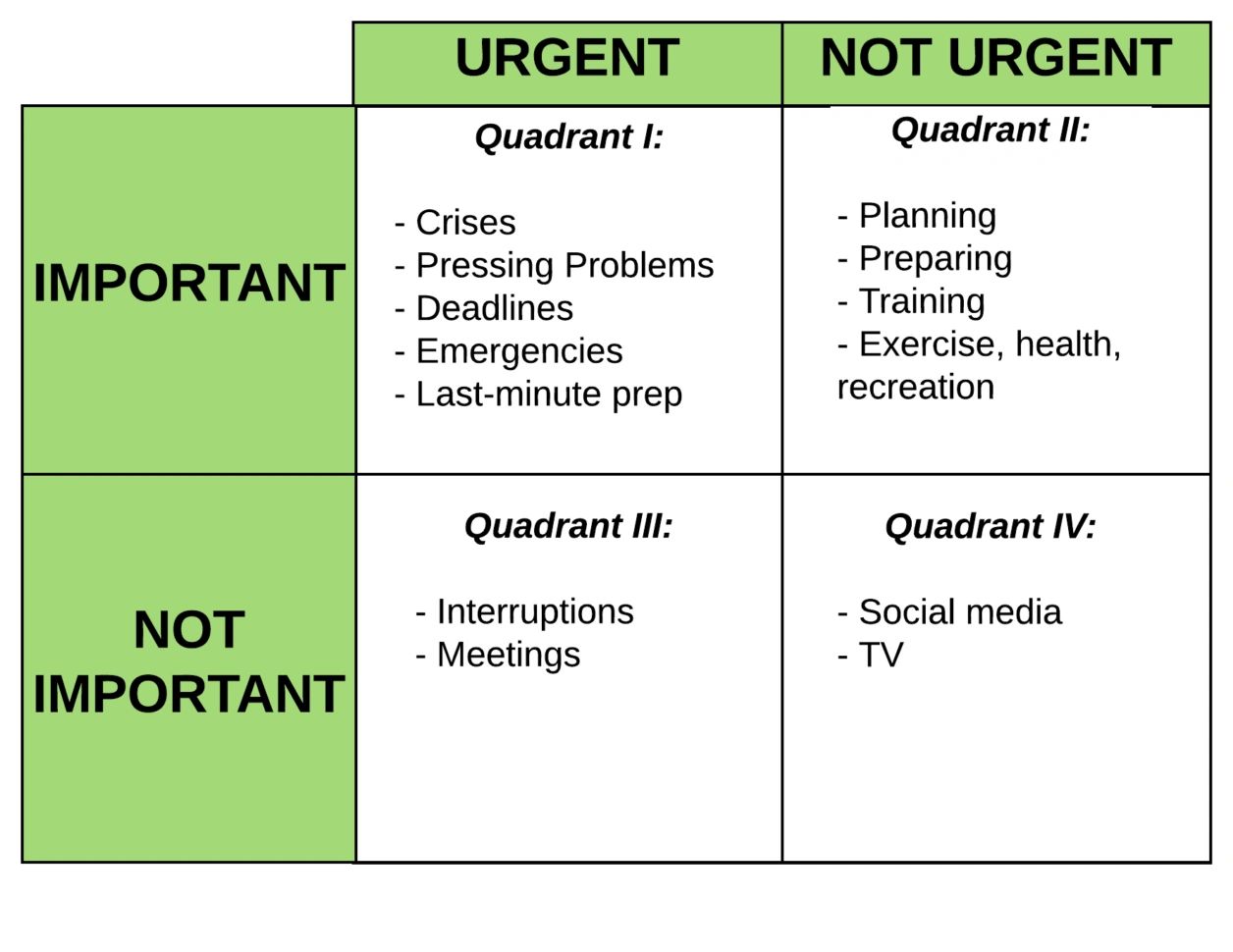
Effective time management is key to successfully balancing work, study, and personal life. lets discuss practical strategies for prioritizing tasks, creating schedules, and maximizing productivity while still making time for self-care and relaxation. Here are some strategies for prioritizing tasks and creating schedules:
1. Prioritize Tasks:
- Make a list of all your tasks, both work-related and study-related, and prioritize them based on urgency and importance. This will help you focus on what needs to be done first. Consider Deadlines: Identify tasks with upcoming deadlines and prioritize them accordingly.
- Evaluate Impact: Assess the potential impact of each task on your goals and objectives. Prioritize tasks that align with your long-term priorities and objectives.
2. Create a To-Do List:
- List all the tasks you need to accomplish, including work assignments, study tasks, personal errands, and self-care activities.
- Break larger tasks into smaller, more manageable subtasks to avoid feeling overwhelmed.
3. Use Time Blocking:
- Allocate specific blocks of time for different activities or tasks throughout the day. For example, designate blocks of time for focused work or study, meetings or appointments, exercise, meals, and relaxation.
- Stick to your schedule as much as possible and avoid multitasking, as it can reduce productivity and increase stress.
4. Set SMART Goals:
- Define specific, measurable, achievable, relevant, and time-bound goals for your work, study, and personal life. Break larger goals down into smaller milestones and set deadlines for achieving them.
- Regularly review your goals and adjust your priorities and schedule as needed to stay on track.
5. Use a Planner or Calendar:
- Use a physical planner, digital calendar, or productivity app to organize your tasks and appointments. Schedule time for important activities, deadlines, meetings, and self-care routines.
- Set reminders and alerts to keep you on track and ensure you don't forget important tasks or appointments.
6. Identify Peak Productivity Times:
- Determine when you are most alert, focused, and productive during the day, and schedule your most challenging or high-priority tasks during these times.
- Reserve less demanding tasks or activities for periods when your energy and concentration levels are lower.
7. Practice the Two-Minute Rule:
- If a task can be completed in two minutes or less, do it immediately rather than adding it to your to-do list. This can help prevent small tasks from piling up and becoming overwhelming.
8.Build in Buffer Time:
- Allow extra time in your schedule for unexpected delays, interruptions, or emergencies. Building in buffer time can help you stay on track even when things don't go as planned.
9. Review and Reflect:
- Regularly review your progress, assess what's working well and what needs improvement, and make adjustments to your schedule and priorities accordingly.
10. Practice Self-Discipline and Flexibility:
- Stay disciplined and committed to following your schedule and completing your tasks, but also be flexible and willing to adapt to changes or unexpected events that may arise. Adjust your plans as needed while staying focused on your goals.
Setting Boundaries and Saying No

Learning to set boundaries and say no is essential for protecting your mental health. It’s important to establish clear boundaries between work, study, and personal time, as well as strategies for assertively communicating your needs to others.
Establishing Boundaries:
- 1. Identify Your Priorities: Determine what aspects of your life are most important to you, whether it's spending time with family, focusing on your studies, or pursuing personal interests.
- Define Your Limits: Clearly define what you are comfortable with and what you are not comfortable with in terms of time commitments, responsibilities, and interactions.
- Communicate Your Boundaries: Clearly communicate your boundaries to others in a respectful and assertive manner. Be firm yet polite in expressing your needs and limitations.
- Be Consistent: Consistently uphold your boundaries and be prepared to reinforce them if they are challenged or disregarded.
Strategies for Assertive Communication:
- Use "I" Statements: Express your thoughts, feelings, and needs using "I" statements to take ownership of your perspective without blaming or accusing others.
- Be Direct and Clear: Clearly articulate your message, avoiding vague language or beating around the bush. Be concise and straightforward in your communication.
- Maintain Eye Contact and Body Language: Maintain confident body language and eye contact to convey sincerity and conviction in your message.
- Practice Active Listening: Listen attentively to the other person's perspective and acknowledge their viewpoint before expressing your own.
- Stand Your Ground: Stay firm in your position while remaining respectful and open to dialogue. Do not feel compelled to justify or apologize for asserting your boundaries.
By implementing these tips and strategies, you can establish clear boundaries and communicate assertively to protect your mental health and well-being.
Self-Care Practices

Self-care is non-negotiable if you’ve been reading some of my previous blogs you know how I feel when it comes to maintaining balance and well-being. We'll discuss a variety of self-care practices, from mindfulness and meditation to exercise, hobbies, and relaxation techniques, and explore how incorporating these practices into your routine can support your mental health. Here are ten self-care practices and suggestions on how to incorporate them into your routine to support mental health:
1. Mindfulness Meditation:
- Practice: Set aside 10-15 minutes daily for mindfulness meditation.
- Incorporate: Choose a quiet space, use guided meditation apps, and gradually increase the duration as you become more comfortable.
2. Regular Exercise:
- Practice: Engage in at least 30 minutes of moderate exercise most days.
- Incorporate: Schedule workouts as you would any other appointment, try different activities to keep it interesting, and involve friends for motivation.
3 Hobbies and Creativity:
- Practice: Dedicate time to hobbies you enjoy, whether it's painting, writing, or playing an instrument.
- Incorporate: Set aside specific time slots for your hobbies each week, and consider joining clubs or groups related to your interests.
4. Quality Sleep:
- Practice: Aim for 7-9 hours of sleep per night.
- Incorporate: Establish a consistent sleep schedule, create a calming bedtime routine, and limit screen time before bed.
5. Healthy Eating:
- Practice: Consume a balanced diet with plenty of fruits, vegetables, and whole grains.
- Incorporate: Plan and prepare meals in advance, include a variety of nutrient-rich foods, and stay hydrated.
6. Nature Connection:
- Practice: Spend time in nature regularly, whether it's a park, forest, or beach.
- Incorporate: Schedule outdoor activities, take walks, or have picnics in natural settings.
7. Digital Detox:
- Practice: Take breaks from screens, especially social media.
- Incorporate: Set specific times for checking emails and social media, and consider digital detox days to focus on in-person interactions.
8. Journaling:
- Practice: Write down your thoughts, feelings, and reflections.
- Incorporate: Journal in the morning or before bed, use prompts for inspiration, and don't worry about grammar or structure.
9. Relaxation Techniques:
- Practice: Explore relaxation methods such as deep breathing or progressive muscle relaxation.
- Incorporate: Integrate these techniques into your daily routine, especially during stressful moments.
10. Social Connection:
- Practice: Nurture relationships with friends and family.
- Incorporate: Schedule regular social activities, attend events, and make an effort to reach out to loved ones.
Remember, the key is consistency. Start with one or two practices, gradually adding more as you build them into your routine. Customizing these practices to fit your preferences and lifestyle is crucial for long-term success.
Finding balance between work, study, and mental health is an ongoing journey. By understanding the demands, recognizing signs of imbalance, practicing effective time management, setting boundaries, prioritizing self-care, and seeking support when needed, you can create a sustainable and fulfilling lifestyle that nurtures your well-being.
Call-to-Action: Are you ready to embark on the journey to balance work, study, and mental health? Share your thoughts, experiences, and insights in the comments below. Let's support each other as we navigate this balancing act together! 🌿💼📚